
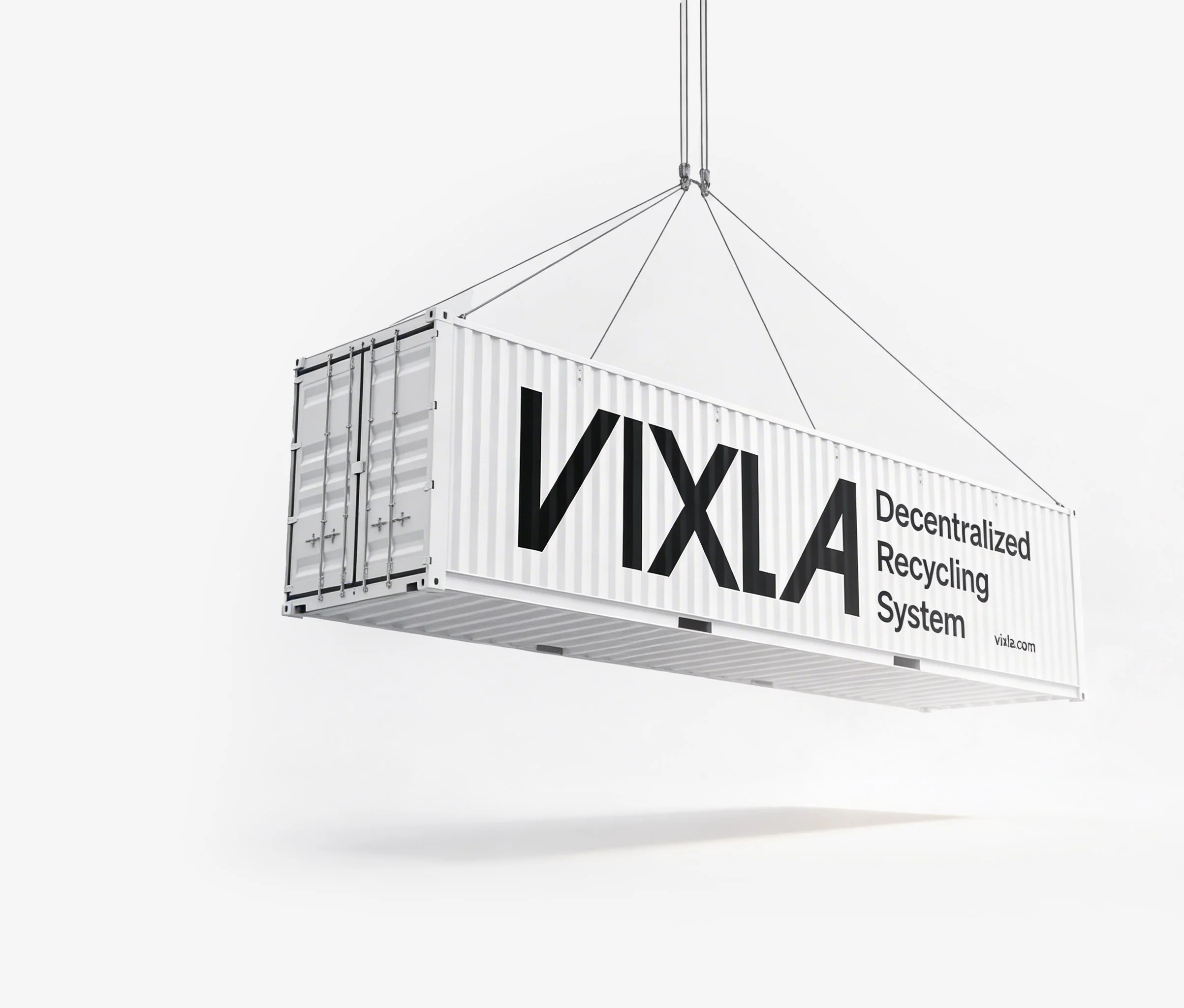
VIXLA 01
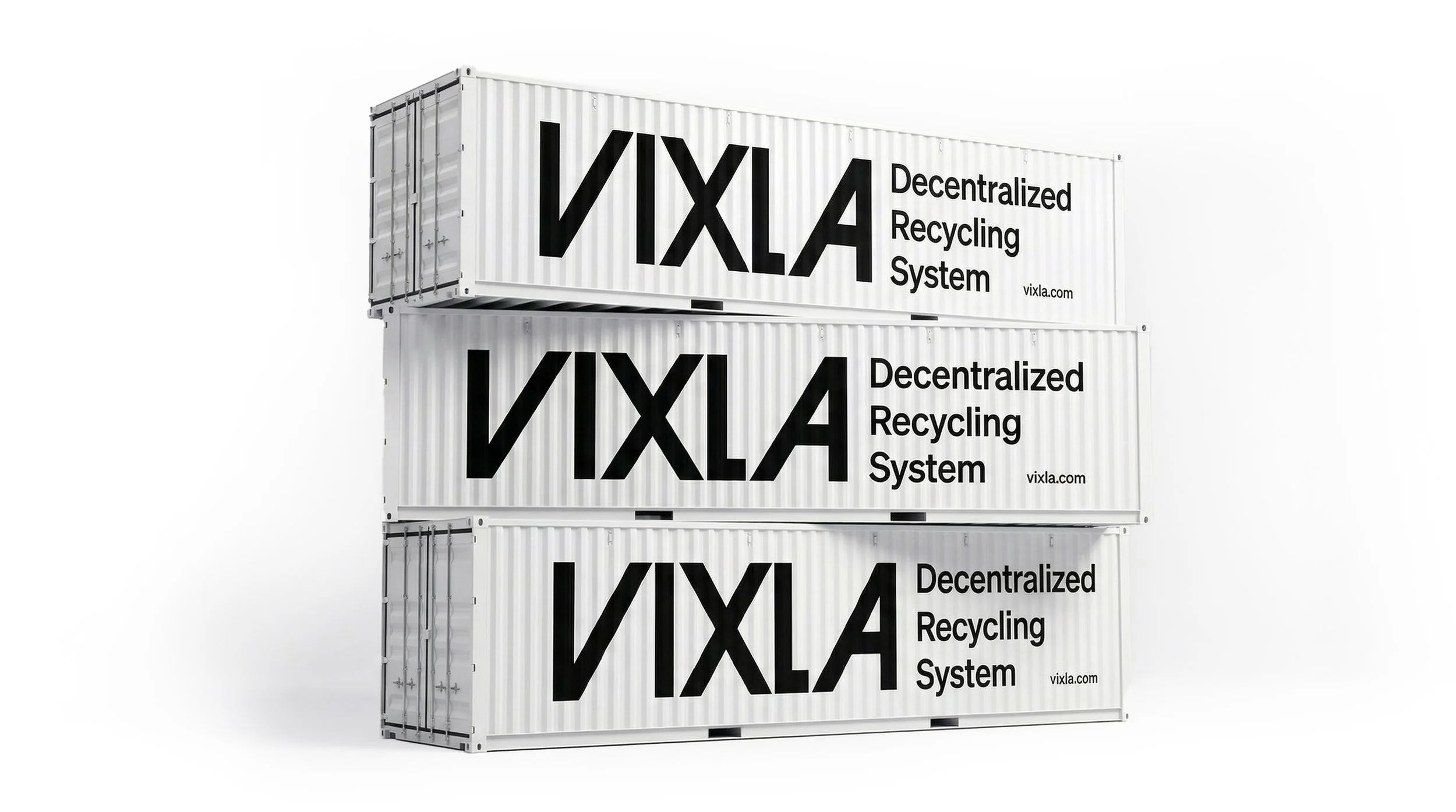
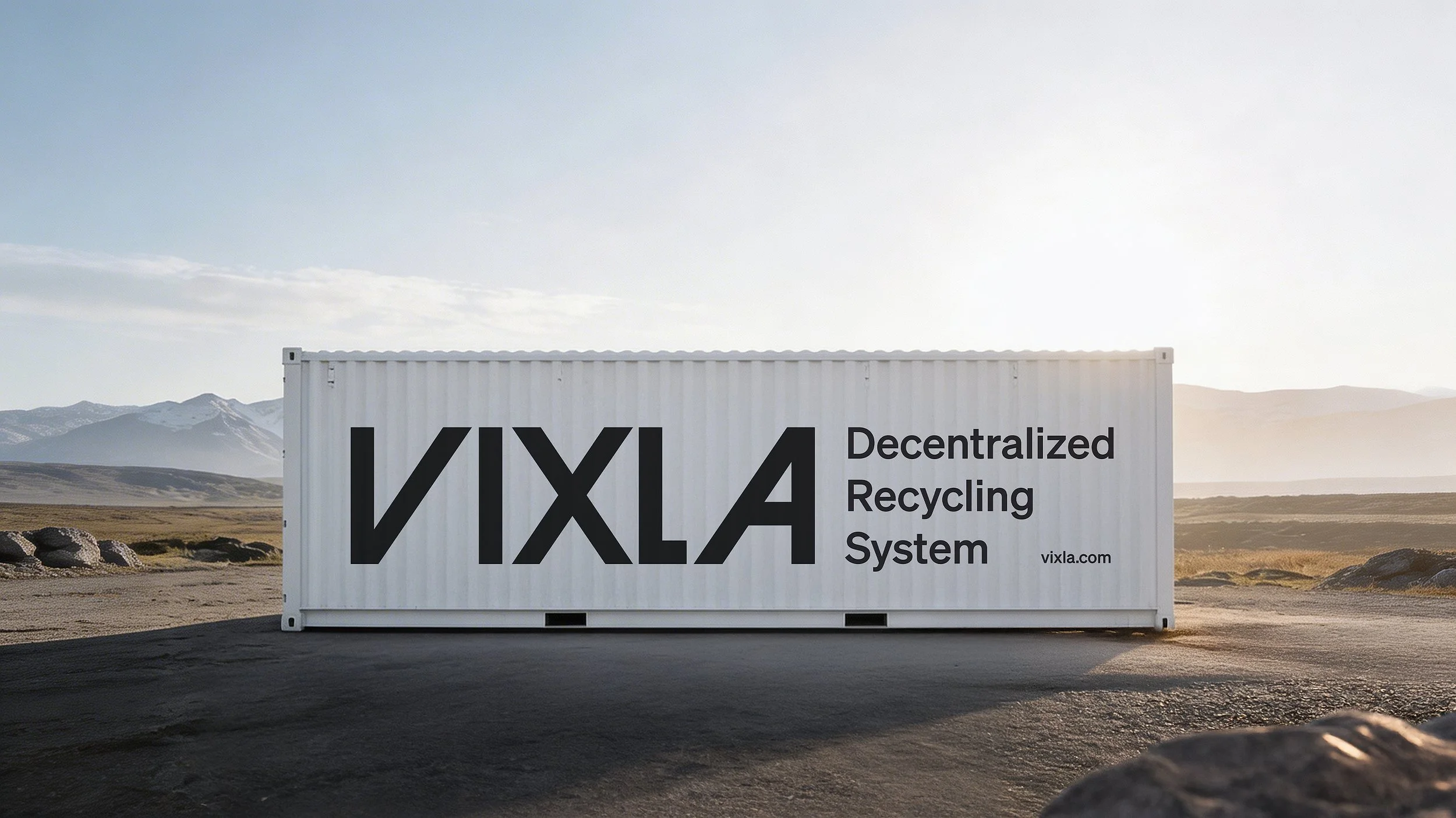
Vixla is a containerized system designed to convert
hard-to-recycle plastics into circular feedstock.
Processes polyolefins | Modular deployment | Scalable capacity | ~ 85% yield
Tackling hard-to-recycle plastic at the source.
-
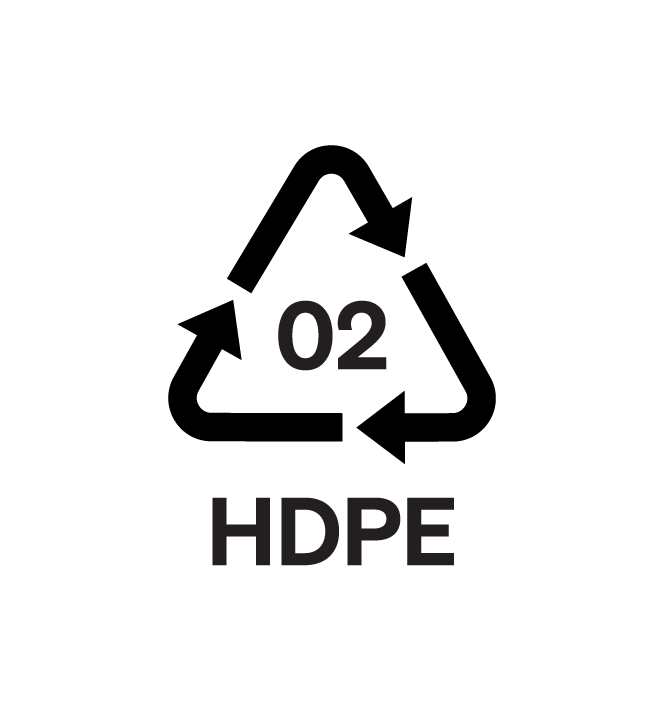
High density polyethylene: Common plastics grocery bags, detergent bottles, shampoo bottles, etc.
-
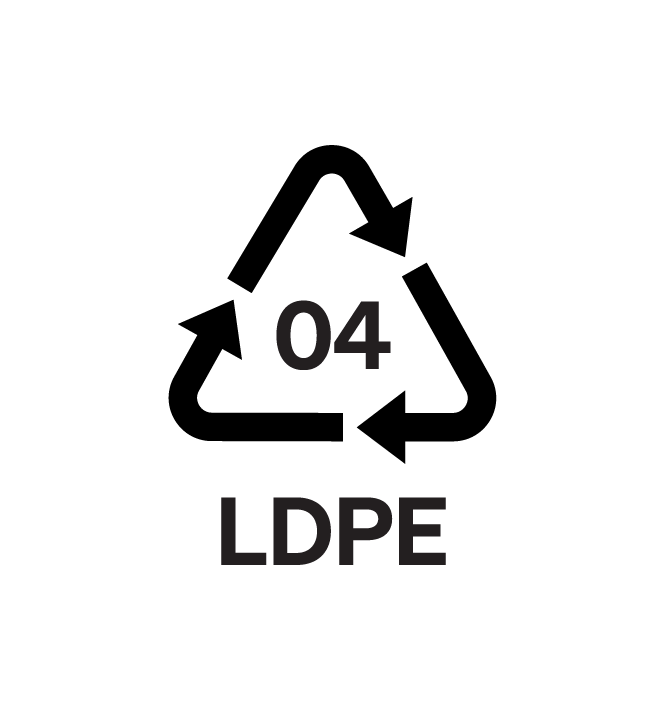
Low-density polyethylene: Soft plastics Plastic foil, frozen food packaging, bread bags, cling foil, etc.
-
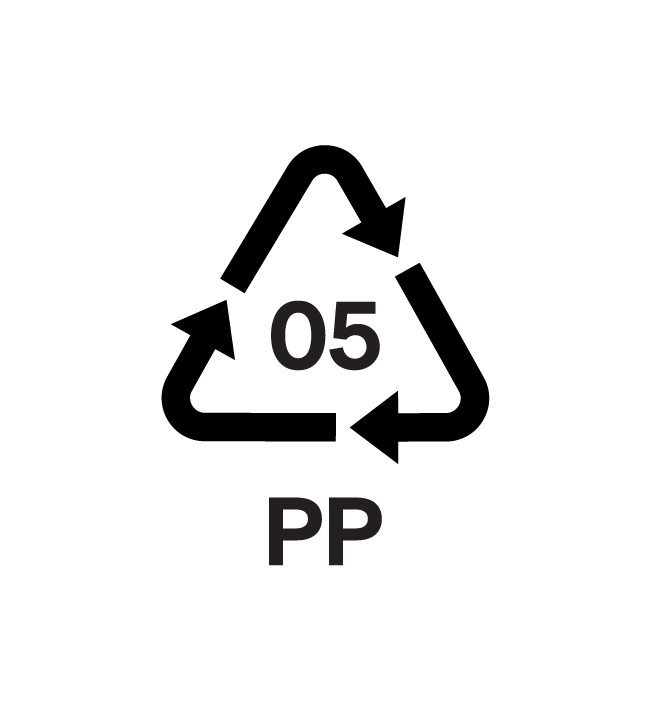
Polypropylene: Bottle caps, straws, yogurt containers, medicine bottles, etc.
-
Complex plastics solved
Processes mixed, contaminated and hard-to-recycle plastic beyond conventional recycling.
-
High conversion rate
Up to 85% yield, maximizing resource recovery. 1 kg of plastic produces ~1 liter of circular feedstock.
-
At source
Process waste where it’s generated, reducing transport costs and emissions.
-
Fast setup
Plug-and-play system delivered in a standard 40-foot container.
-
Highly automated
Minimal staffing required with stable, continuous operations.
-
Scaleable
Modular units enable phased expansion with lower upfront investment.
Compared to
other solutions
-
Capacity: 2,5 tons/day per module
Deployment: Modular, on-site systems
Time to deploy: < 12 months
CAPEX: Scalable investment
Scalability: Expand with additional units
Automation: High (industrial PLC)
Feedstock: Polyolefins (HDPE, LDPE, PP)
Output: Refinery-grade pyrolysis oil
Location: Waste sites, industrial parks
Use case: Mid-scale decentralized recycling
-
Capacity: > 20,000+ tons/year
Deployment: Centralized plants
Time to deploy: 2–4 years
CAPEX: Very high investment
Scalability: Fixed large capacity
Automation: High
Feedstock: Large mixed waste streams
Output: Circular feedstock
Location: Large industrial zones
Use case: Global petrochemical projects
How it works
-
01.
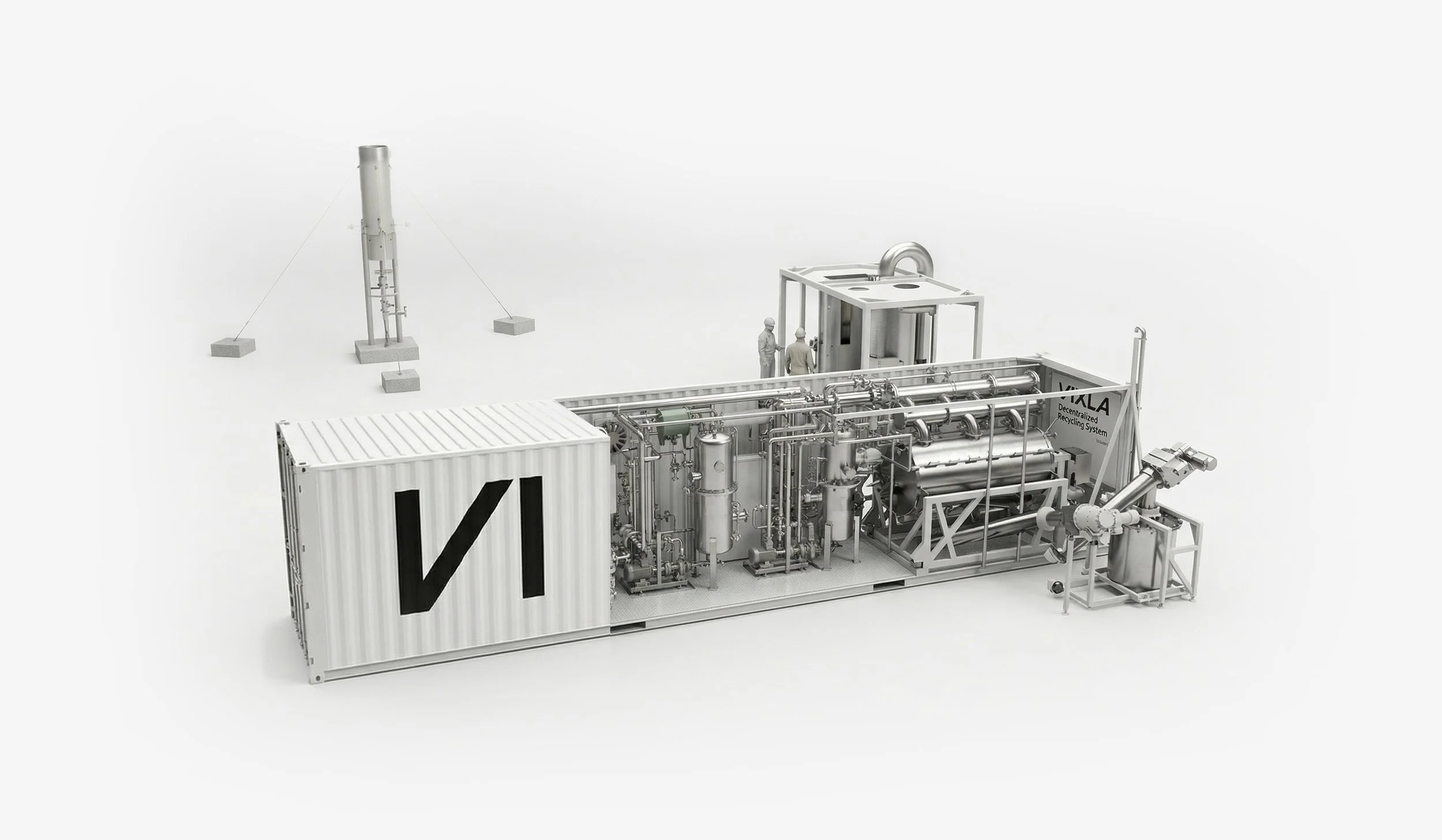
Preparation: Plastic is sorted, shredded, washed and dried to ensure consistent input quality.
-
02.
Feeding: The material is fed through an extruder where it is gradually heated and homogenized.
-
03.
Conversion: The molten plastic enters the reactor, which operates in an oxygen-free environment, where long polymer chains are broken down into hydrocarbons.
-
04.
Output: Hydrocarbon vapors are cooled and condensed into two oil fractions.
From waste to value
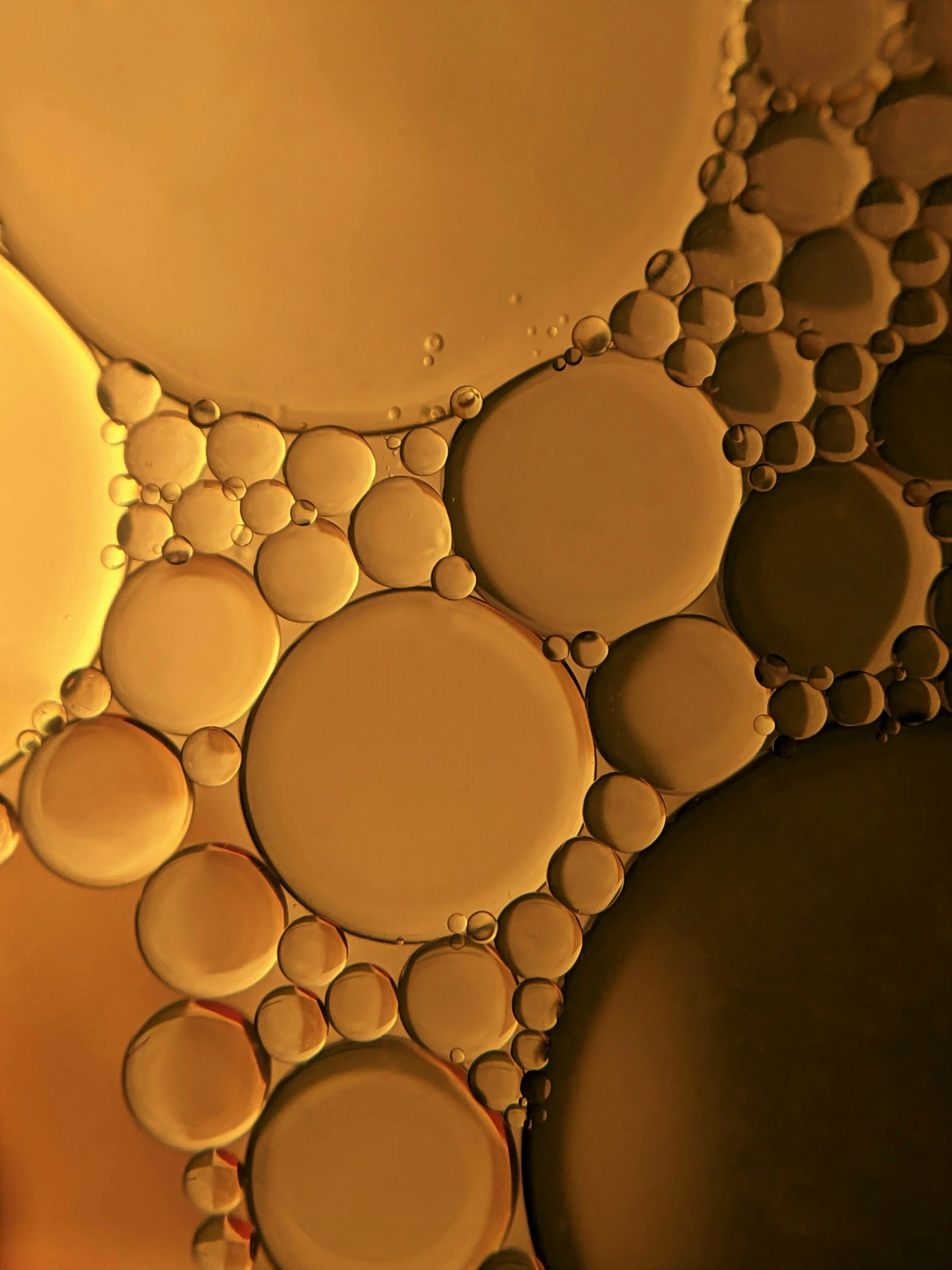
Refinery-grade
circular feedstock
The resulting product replaces fossil-based inputs in the production of new plastics, transforming plastic waste into circular feedstock for refineries and the petrochemical industry.
Key benefits
• Compatible with existing refinery and petrochemical infrastructure
• Enables circular plastic production
• Converts low-value waste into high-value hydrocarbons
-
> 1 year
from reciept of order till live operations.
-
1:1
~ 1 kg plastic = 1 liter oil
-
~ 3 years
Return on investment
Autonomous
Operations
VIXLA systems are built for stable, continuous operation with minimal operator involvement.
Our in-house PLC-based control system enables real-time monitoring, remote access, and precise process control, ensuring consistent performance, faster diagnostics, and reduced downtime.
Key features
• PLC-based control
• Continuous monitoring
• Automated operation
• Minimal operator input
• Remote monitoring and diagnostics
• Remote optimization and support
In detail
-
![]()
01
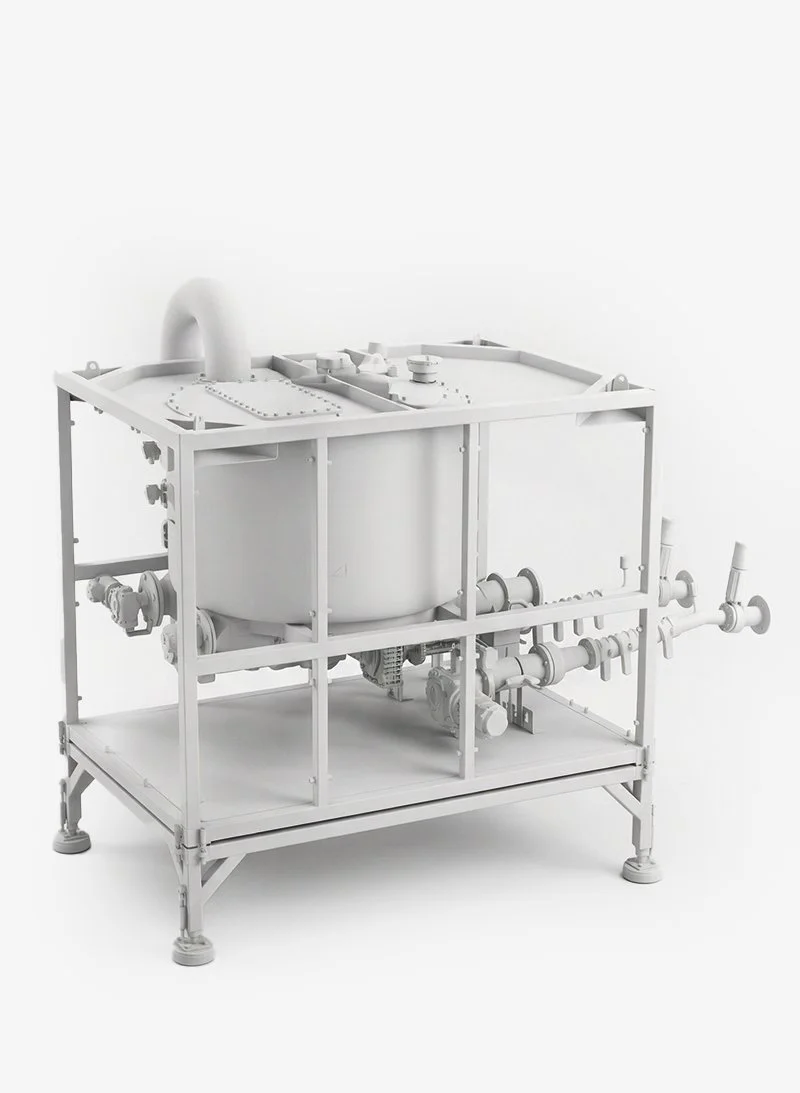
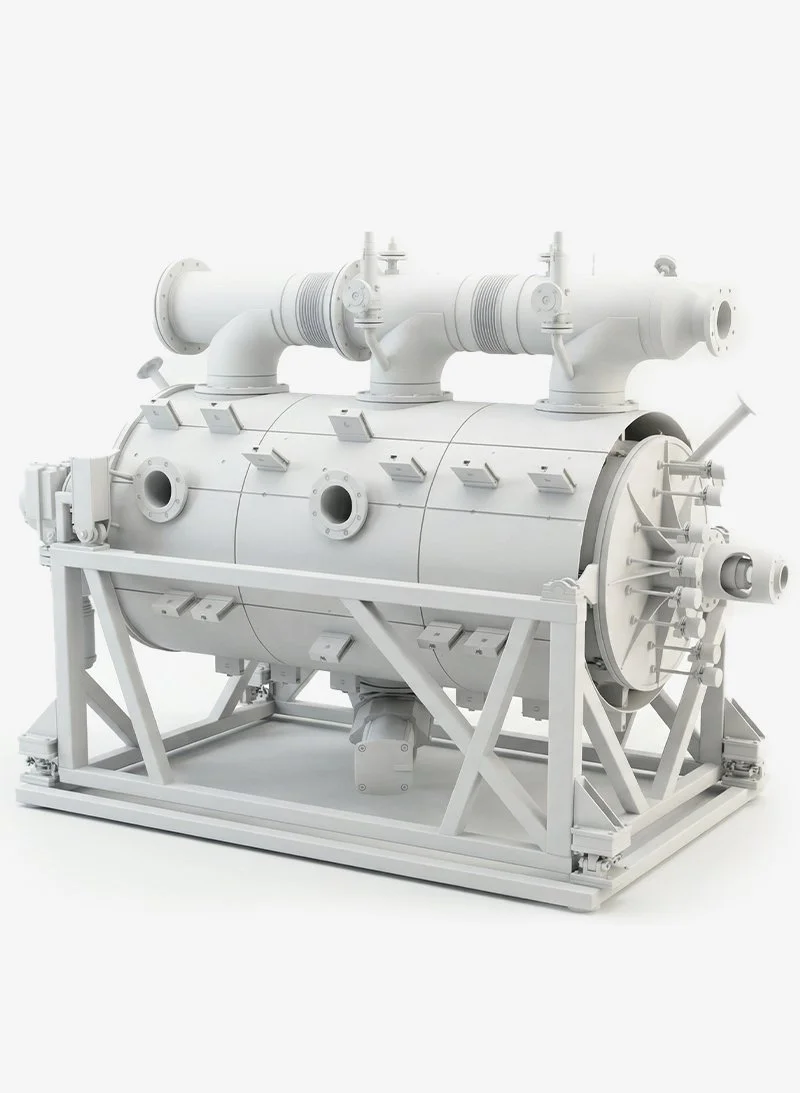
Feeding: Pre-treated plastic is supplied on demand from the buffer silo to the extruder, where it is gradually heated to a molten state. This process creates an airtight seal and enables controlled flow into the reactor.
-
![]()
02
Thermochemical Conversion: Inside the reactor, in an oxygen-free environment, the molten plastic is thermally converted into hydrocarbon gases.
-
![]()
03
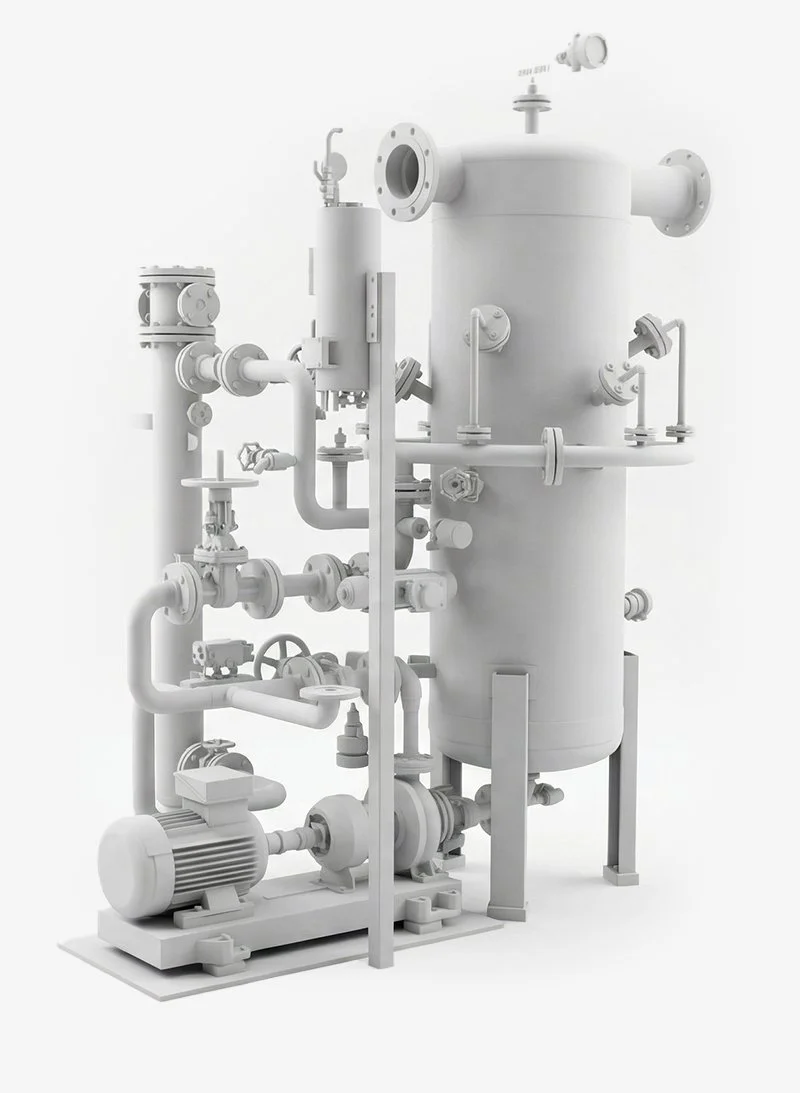
Condesation step 1: The hydrocarbon gases are directed to the first condensation step where the heavy hydrocarbons are cooled and liquified.
-
![]()
04
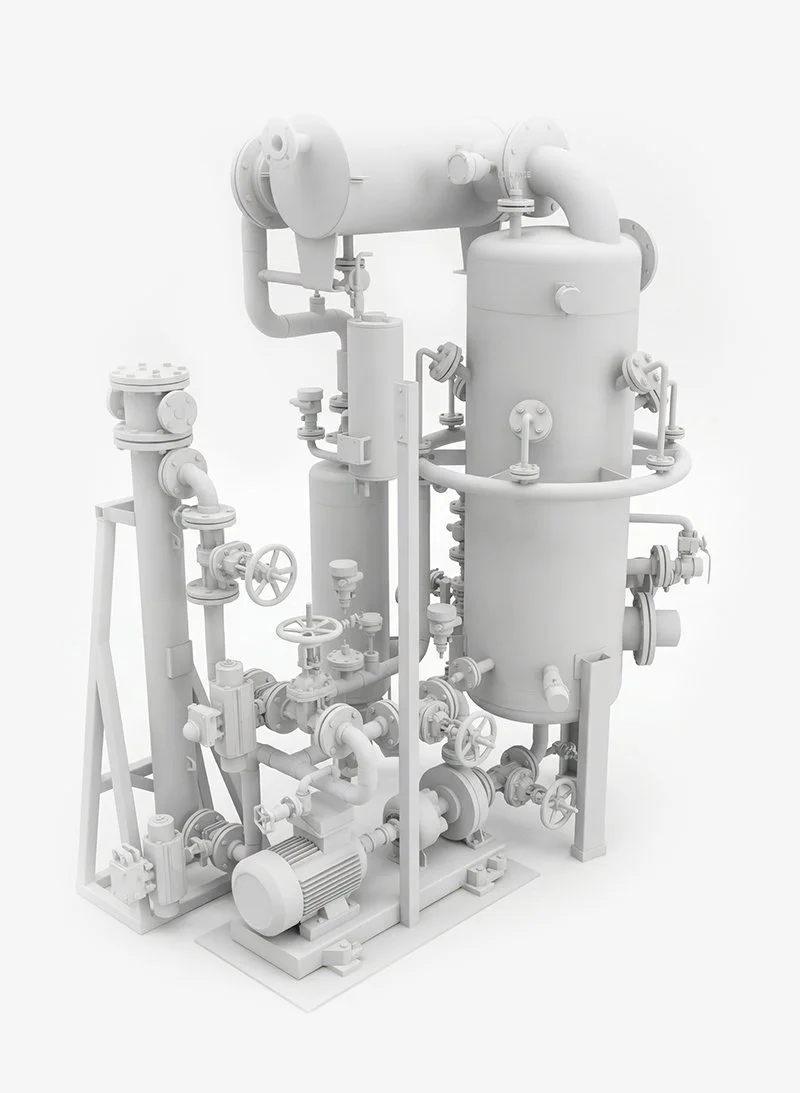
Condesation step 2: The hydrocarbon gases are directed to the second condensation step where the light hydrocarbons are cooled and liquified.
-
![]()
05
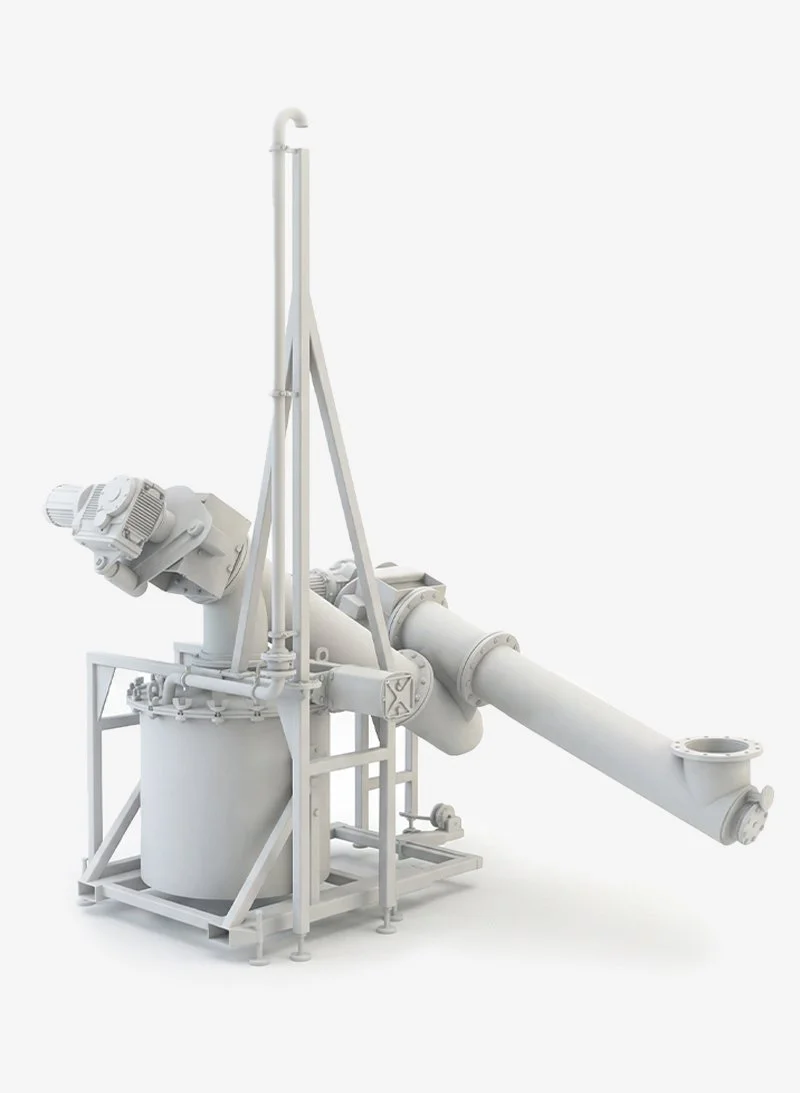
Residue Handling: Solid residues are separated from the process and safely discharged into a storage container.
Explore Vixla for
your operations
Includes system, automation, and commissioning support.